Archives
- 2026-09
- 2026-08
- 2026-07
- 2026-06
- 2026-05
- 2026-04
- 2026-03
- 2026-02
- 2026-01
- 2025-12
- 2025-11
- 2025-10
- 2025-09
- 2025-03
- 2025-02
- 2025-01
- 2024-12
- 2024-11
- 2024-10
- 2024-09
- 2024-08
- 2024-07
- 2024-06
- 2024-05
- 2024-04
- 2024-03
- 2024-02
- 2024-01
- 2023-12
- 2023-11
- 2023-10
- 2023-09
- 2023-08
- 2023-06
- 2023-05
- 2023-04
- 2023-03
- 2023-02
- 2023-01
- 2022-12
- 2022-11
- 2022-10
- 2022-09
- 2022-08
- 2022-07
- 2022-06
- 2022-05
- 2022-04
- 2022-03
- 2022-02
- 2022-01
-
Introduction of a chloropyridine group onto the
2022-01-03

Introduction of a chloropyridine group onto the fluoro derivative (→) leads to a similarly potent compound that exhibits a lower /, and as was observed with (), was rapidly cleared. However, the high clearance of () did not prevent the increase in the concentrations of FAAs even as its plasma levels
-
Recent studies are beginning to explore this complex interpl
2022-01-03
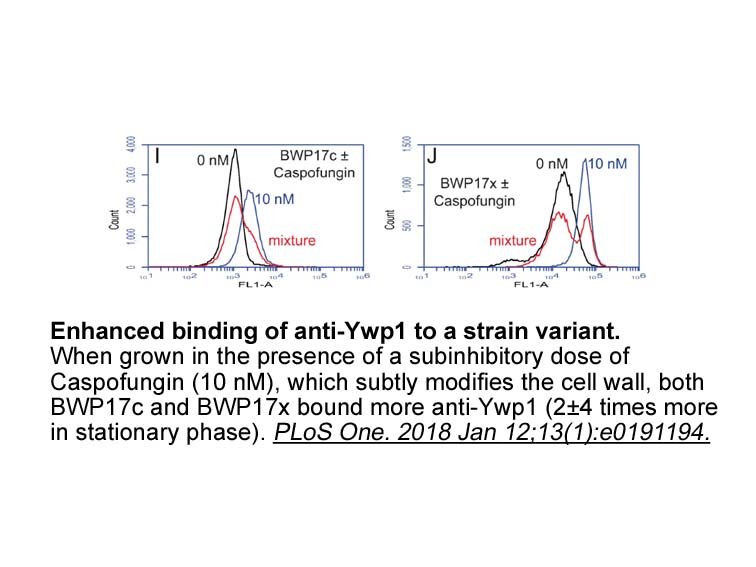
Recent studies are beginning to explore this complex interplay of pathways. For example, intracellular trafficking of poly(lactic-co-glycolic acid)(PLGA) based nanoparticles was studied in detail using 30 different Rab proteins as markers for intracellular transport vesicles (involved in exocytosis,
-
PKC does not however directly stimulate secretion by initiat
2022-01-03
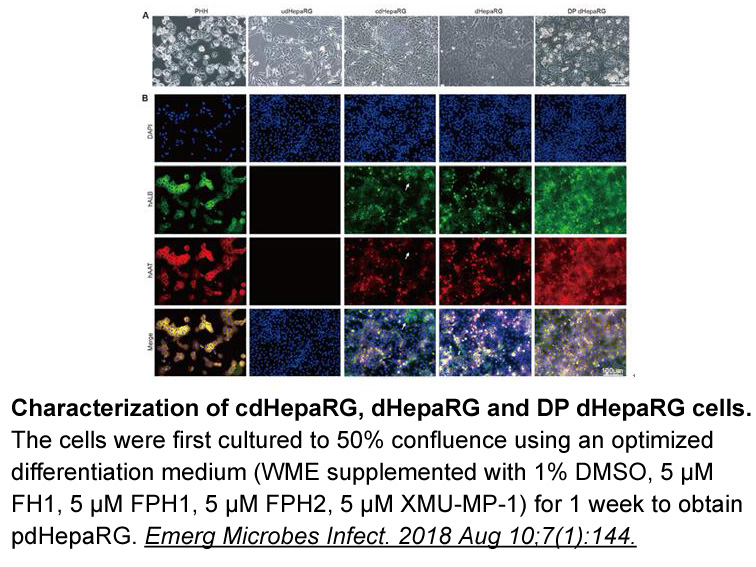
PKC does not, however, directly stimulate secretion by initiating calcium influx into the cell [51]. Work from multiple groups measuring calcium currents has shown that PMA alone or coupled with glucose does not modulate intracellular calcium influx [34], [51], [52], [53]. Instead of contributing to
-
Literature review suggests a strong presence
2022-01-03
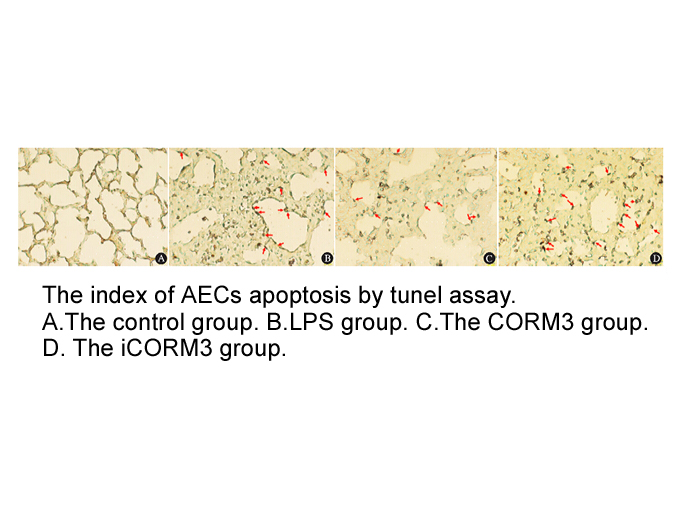
Literature review suggests a strong presence of central histaminergic transmission in the szl sale areas targeted by caffeine to induce its behavioral actions. Interestingly, it is reported that caffeine administration increases the histamine neuronal activation and release of histamine in the brain
-
Due to the importance of gene regulation in cancers
2022-01-03

Due to the importance of gene regulation in cancers, HDAC inhibitors have been studied extensively in cancer biology and are in current clinical use as anti-tumor therapies [17]. The HDAC inhibitors vorinostat, romidepsin, and belinostat have been approved for certain T-cell lymphomas, and panobinos
7925 records 529/529 page Previous First page 上5页 526527528529