Archives
- 2026-09
- 2026-08
- 2026-07
- 2026-06
- 2026-05
- 2026-04
- 2026-03
- 2026-02
- 2026-01
- 2025-12
- 2025-11
- 2025-10
- 2025-09
- 2025-03
- 2025-02
- 2025-01
- 2024-12
- 2024-11
- 2024-10
- 2024-09
- 2024-08
- 2024-07
- 2024-06
- 2024-05
- 2024-04
- 2024-03
- 2024-02
- 2024-01
- 2023-12
- 2023-11
- 2023-10
- 2023-09
- 2023-08
- 2023-06
- 2023-05
- 2023-04
- 2023-03
- 2023-02
- 2023-01
- 2022-12
- 2022-11
- 2022-10
- 2022-09
- 2022-08
- 2022-07
- 2022-06
- 2022-05
- 2022-04
- 2022-03
- 2022-02
- 2022-01
-
acetylcholine receptor In addition unconventional mechanisms
2024-12-27
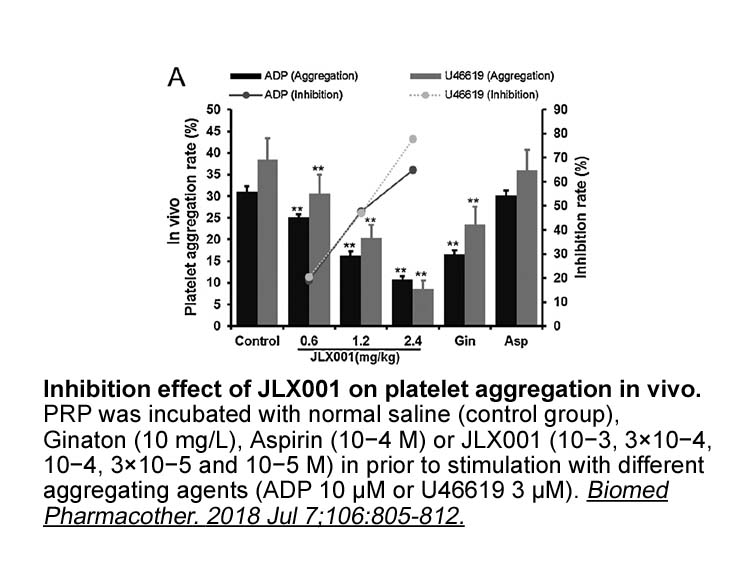
In addition, unconventional mechanisms of internalization cannot be ignored. It is generally believed that the conventional homologous internalization of a GPCR depends on the activation of G proteins, since GRK activation requires the pre-activation of G proteins (Fig. 2). Feng et al. demonstrated
-
The AMP Activated Protein Kinase AMPK has evolved
2024-12-27
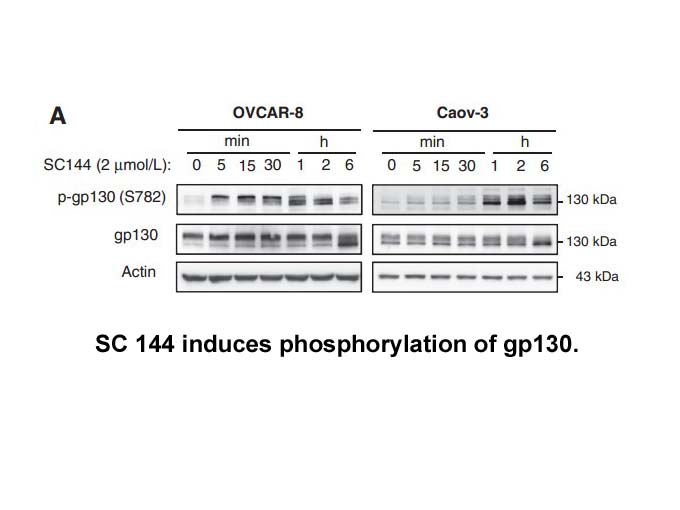
The 5′AMP-Activated Protein Kinase (AMPK) has evolved as an important cellular sensor of reduced energy status that can subsequently phosphorylate its target proteins, slowing the rates of key biosynthetic processes and promoting energy producing pathways; for these reasons AMPK has been proposed as
-
br Experimental Procedures br Acknowledgments br Introductio
2024-12-27
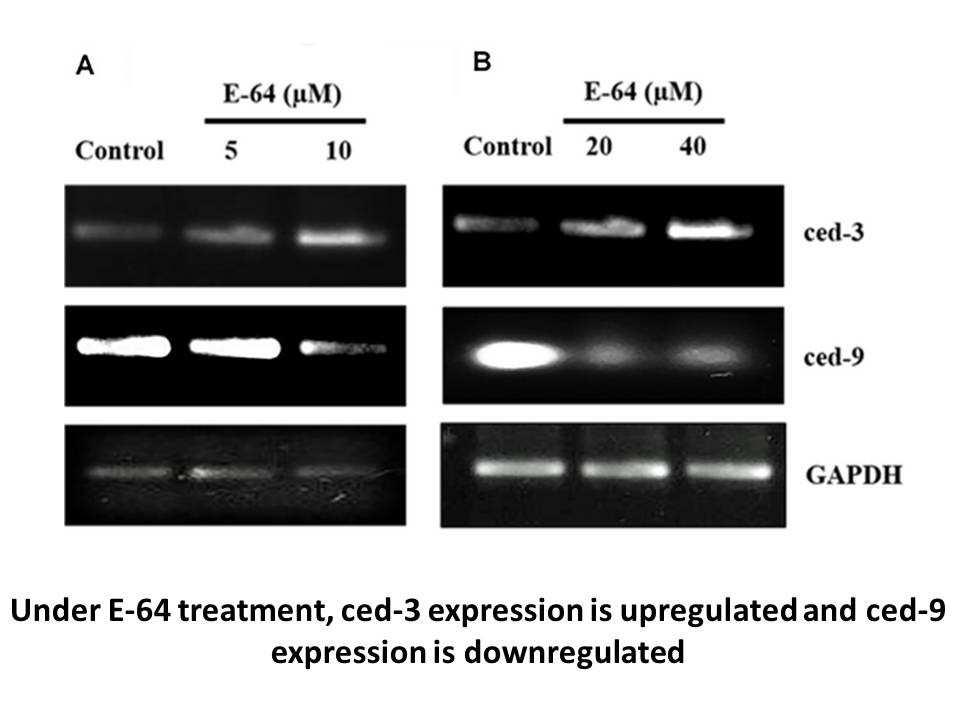
Experimental Procedures Acknowledgments Introduction Cellular and molecular mechanisms underlying synaptic plasticity in the Tyrosine kinase inhibitor are thought to be involved in memory acquisition. Synaptic plasticity is categorised into two main types, long-term depression (LTD) and lon
-
br Materials and methods br Conflict of
2024-12-27
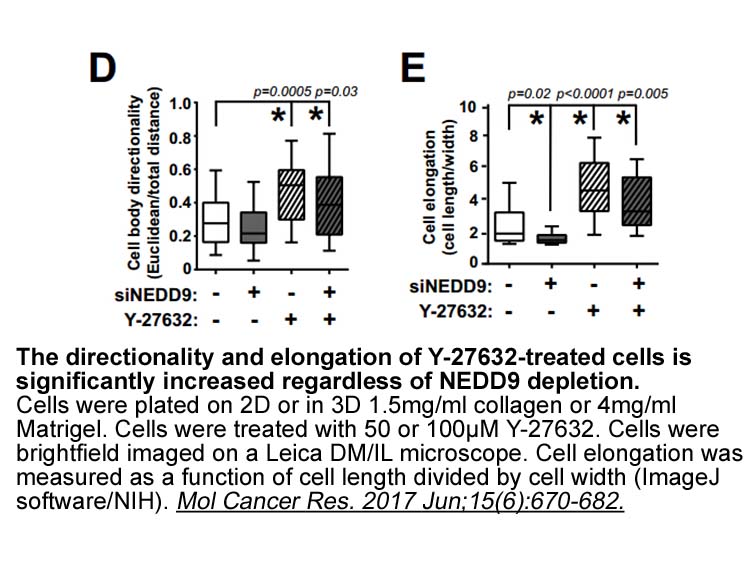
Materials and methods Conflict of interest Acknowledgments We thank Christine Heiner (Department of Surgery, University of Pittsburgh) for her critical reading of the manuscript. This work was supported by grants from the US National Institutes of Health (R01GM115366, R01CA160417, and R01CA
-
br Introduction Breast cancer is the most frequently occurri
2024-12-27
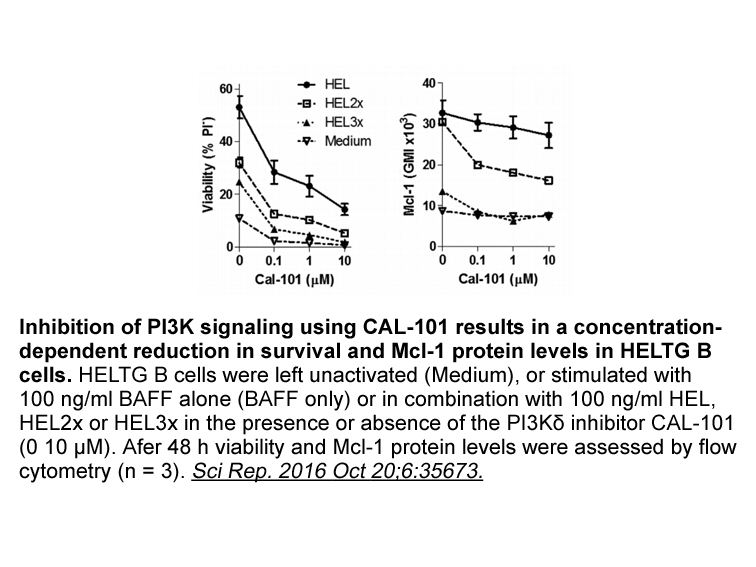
Introduction Breast cancer is the most frequently occurring cancer in women, and despite the development of new therapies there has been little decline in the mortality rate over the past decade (Siegel et al., 2015). This is partly due to the genetic diversity of breast cancers, such that there
-
br Conclusion br Introduction The identification of Alzheime
2024-12-27
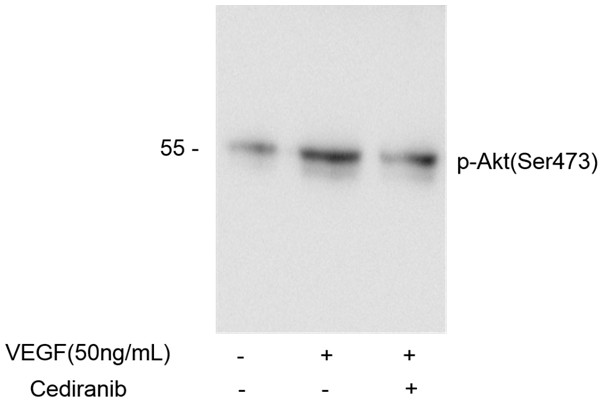
Conclusion Introduction The identification of Alzheimer's disease (AD) biomarkers and their ability to measure pathology antemortem has led to a fundamental reconsideration of the pathogenesis of AD. The importance of biomarkers was already reflected in revised diagnostic criteria proposed by
-
There are some limitations and further experiments that are
2024-12-27
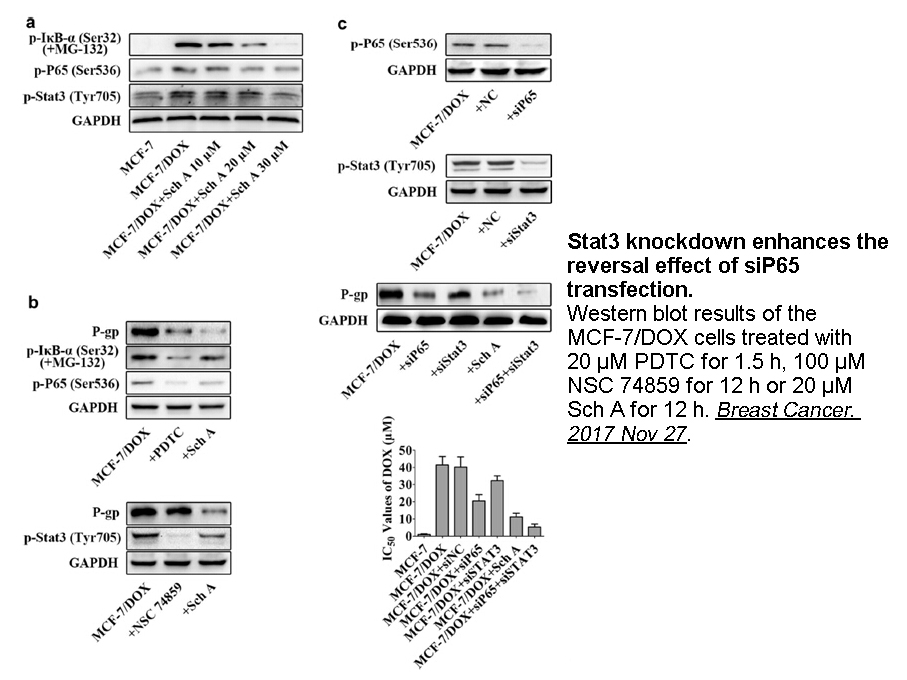
There are some limitations and further experiments that are required. First, to our surprise, measurement of the cardiomyocyte cross-sectional area in Akt1−/−/iAkt2 KO mice showed comparable areas to WT mouse despite of reduced heart weight. In addition to measuring cardiomyocyte cross-sectional are
-
Beside activation of adenosine receptors A a A
2024-12-26
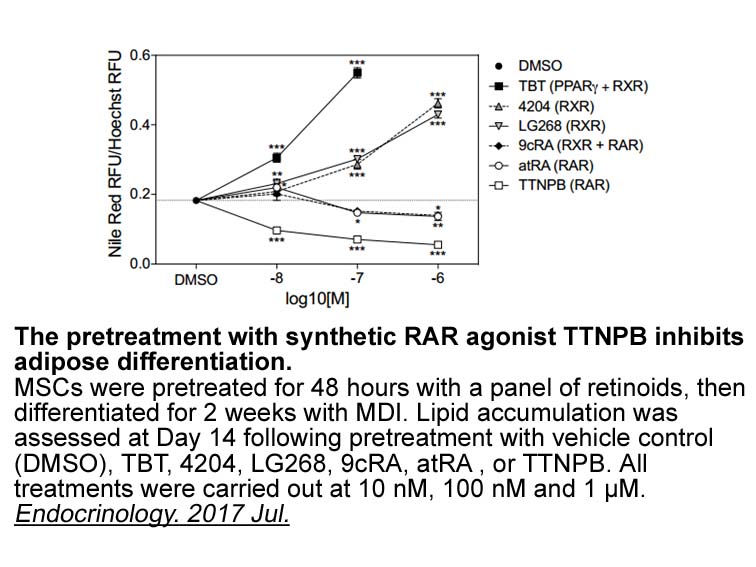
Beside activation of adenosine receptors (A2a.1, A2a.2, A2b) by FSK treatment, the expression of adenosine receptors was also upregulated, when embryos were exposed to inhibitors (SU5416 and DAPT) alone and also combined with FSK. Our data imply that adenosine receptor was associated with a positive
-
Children with ADA SCID commonly suffer from a
2024-12-26
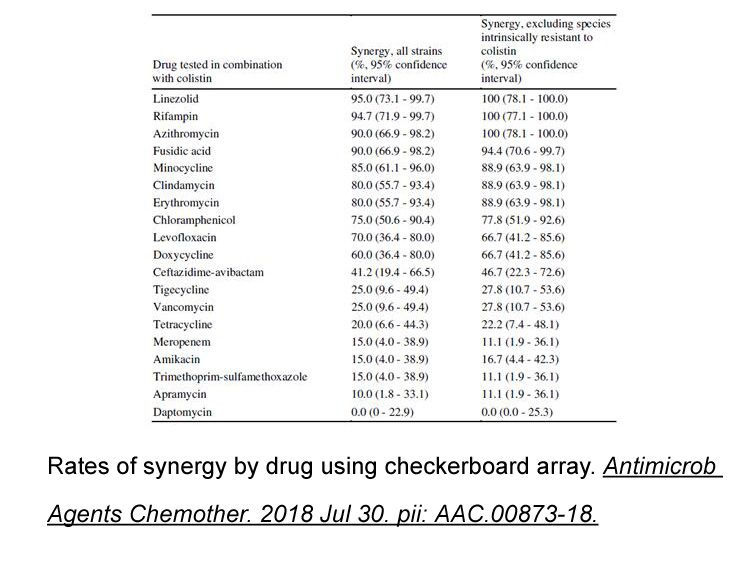
Children with ADA-SCID commonly suffer from a variety of opportunistic infections, including viral, fungal, and mycobacterial infections. Due to defects in 3'-O-Methyl-UTP powder and IG production, they are also susceptible to infection with encapsulated bacteria such as Haemophilus influenzae, Stre
-
EZH2 inhibitor GSK126 The central problem in amnesia develop
2024-12-26
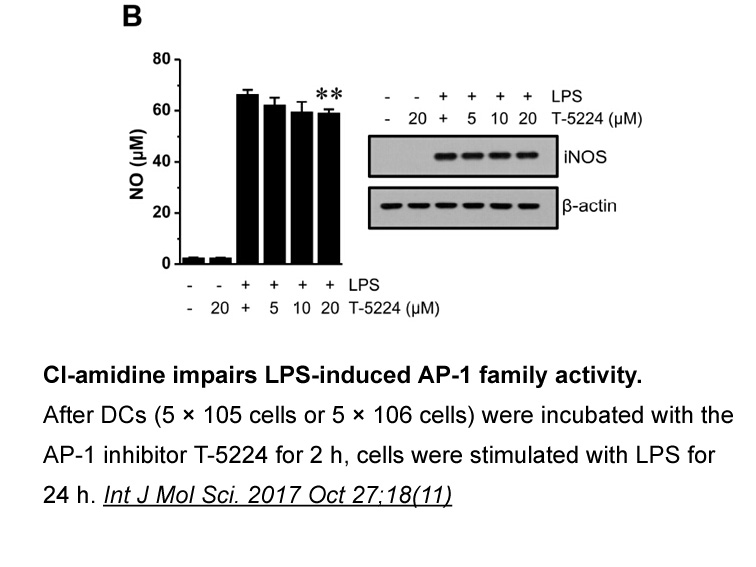
The central problem in amnesia developing following impairment of long-term memory consolidation or reconsolidation is a question of the underlying mechanisms, whether it is caused by impairment of retrieval or memory storage mechanisms [3,8,9,[15], [16], [17], [18]]. To answer this question, severa
-
Alzheimer's disease peptide inhibitor Matthew et al synt
2024-12-26
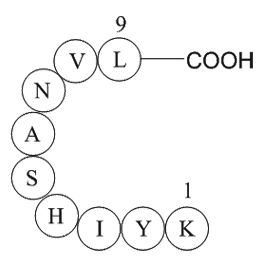
Matthew et al. synthesized and carried out SAR studies of imidazo-[1,2-a]-pyrazine as Aurora kinase inhibitors with enhanced kinase selectivity and found that Alzheimer's disease peptide inhibitor 39 showed optimal potency on Aurora-A and Aurora-B with IC50 value of 4 nM and 13 nM while on phosphory
-
br Materials and methods Bacterial strains
2024-12-26

Materials and methods Bacterial strains and growth conditions. Escherichia coli TOP10 and E. coli BL21Star (DE3) (ThermoFisher, Waltham, MA) were grown at 37 °C in Luria broth (LB) or LB-agar containing kanamycin (50 μg/ml). Bioinformatic analyses. The amino Plasmid transfection method sequence
-
It has been reported that Daxx an interacting partner of
2024-12-26
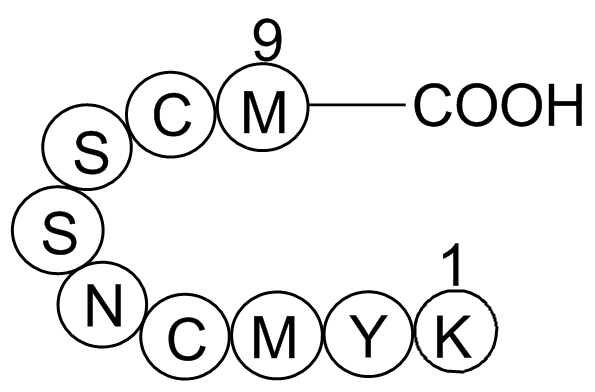
It has been reported that Daxx, an interacting partner of MCRS2/MSP58, promotes ASK1 activation following direct interaction with ASK1 [10], [11]. However, it has not been determined whether MCRS2 is involved in ASK1 signalling. In this study, we identified the direct interaction between MCRS2 and A
-
br Abbreviations br Acknowledgements This work was supported
2024-12-26
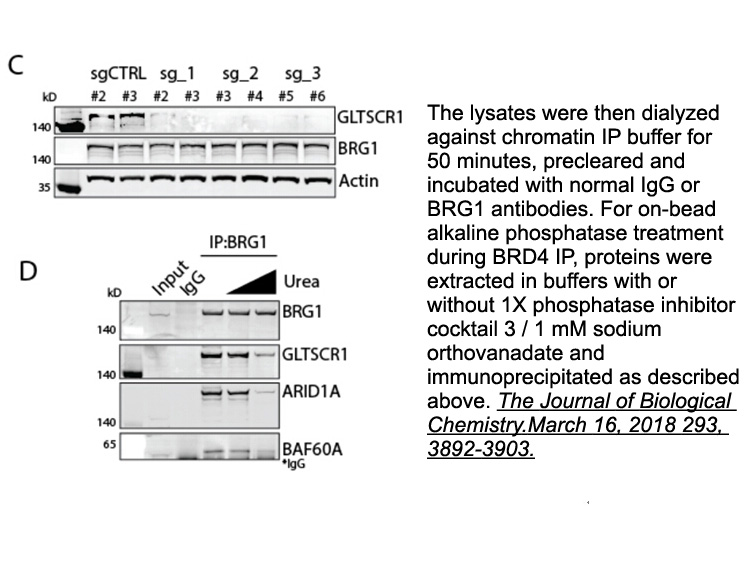
Abbreviations Acknowledgements This work was supported by grants from the National Institutes of Health (R01GM114168) and the Office of Naval Research (N000141210773) awarded to J.C·H and National Cancer Institute (5P30CA16059) Cancer Center Support Grant in support of Massey Cancer Center Pro
-
Finally we argue that the estimated penetrance of CI calcula
2024-12-26
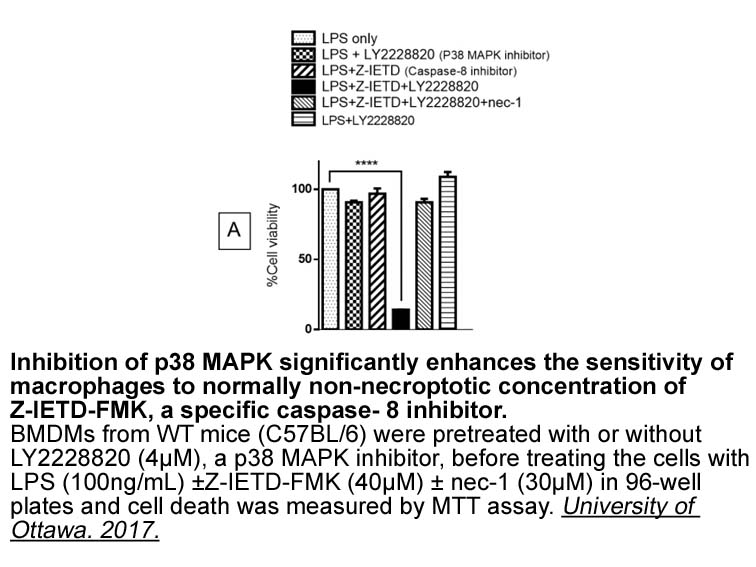
Finally, we argue that the estimated penetrance of 0.45% (95% CI 0.02%, 9.35%) calculated by leveraging the gnomAD (Lek et al., 2016) population data indicate that T201S is at most a low-risk gene variant for CJD. If we arbitrarily consider a central estimate of 10% or higher as the clinically signi
7926 records 65/529 page Previous Next First page 上5页 6162636465 下5页 Last page